


Huawei’s Mate 90 smartphone series is drawing attention to a central question in the global mobile industry: how far can a smartphone maker push performance when access to some advanced chipmaking technologies is restricted? Huawei has introduced the new flagship family with its HarmonyOS 7 software and a Kirin 9050 Pro processor, alongside a chip design approach the company calls “LogicFolding.”
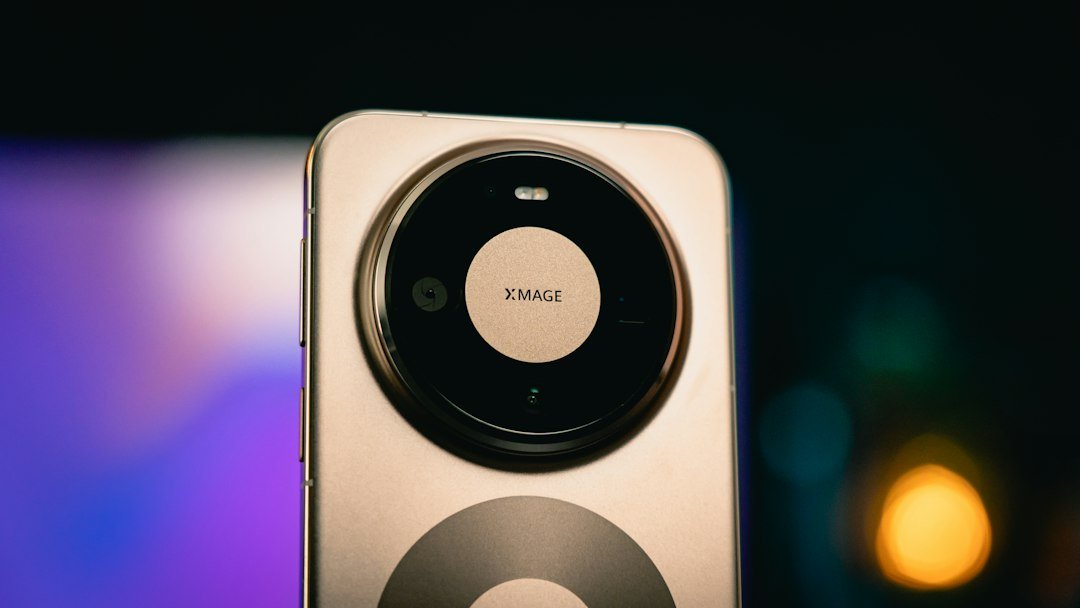
What Is New About the Huawei Mate 90?
Huawei’s latest Mate family is positioned as a premium smartphone line. The company is betting on a combination of its own software ecosystem, in-house processor design and hardware upgrades to keep its flagship devices competitive. According to Reuters reporting, the Mate 90 Pro Max uses the Kirin 9050 Pro chip, which Huawei associates with its LogicFolding architecture.
Huawei has not publicly disclosed all details of the chip’s manufacturing arrangements. Reuters reported that the design aims to reorganise chip wiring in three dimensions rather than using a conventional flat layout. Such approaches can potentially improve the density of a chip’s internal connections, though they can also raise production complexity and material requirements.
Why Homegrown Smartphone Chips Matter
A modern smartphone’s processor influences speed, graphics, camera processing, battery efficiency, artificial intelligence features and connectivity. Designing chips in-house can give a manufacturer greater control over how hardware and software work together. It can also reduce reliance on external suppliers, although developing advanced processors requires significant investment and a capable manufacturing ecosystem.
Huawei’s push is taking place against the backdrop of US restrictions that have limited its access to certain advanced semiconductor technologies and manufacturing tools. These constraints have made it harder for the company to obtain some components through the same supply chains available to many global rivals. The Mate 90 launch is therefore also a test of how domestic chip design can help a company respond to restrictions.
The Role of HarmonyOS
Hardware is only one part of a smartphone experience. Operating-system support, app availability, security updates, developer tools and integration with other devices all influence whether consumers adopt a phone. Huawei’s HarmonyOS strategy aims to provide a cohesive experience across its own devices and services.
For buyers outside China, the availability of familiar apps and services can be especially important. A powerful processor alone does not determine whether a phone is a practical choice in every market. Regional software support, warranty coverage, connectivity bands and after-sales service all matter, and availability varies by country.
Competition in the Premium Phone Market
The flagship smartphone market is increasingly shaped by camera systems, battery life, on-device AI, foldable designs and proprietary chips. Competition among Apple, Samsung, Huawei and other manufacturers is not only about benchmark scores. Companies are also trying to build ecosystems that keep users connected to their watches, tablets, laptops, cloud services and apps.
Huawei has maintained a strong position in China’s foldable market, while new entrants are increasing competition in the category. Foldable phones require careful engineering around displays, hinges, battery capacity and durability. For consumers, the appeal is a larger screen in a more portable form, but pricing and long-term reliability remain important considerations.
Rising Costs and Smartphone Prices
Advanced processors are expensive to develop and manufacture, and higher component costs can influence retail prices. Reuters has reported that rising memory and semiconductor costs are putting pressure on smartphone makers, even as some consumers become more cautious about upgrading. Premium devices can absorb some of those costs, but price increases may make buyers hold onto existing phones for longer.
That trend makes the balance between innovation and value more important. Consumers comparing flagship phones should look beyond a single chip claim and consider software support, camera quality, battery performance, repair options and the total cost of ownership.
What the Mate 90 Means for the Mobile Industry
The Huawei Mate 90 series illustrates how geopolitical restrictions, semiconductor engineering and software ecosystems are reshaping smartphone competition. The long-term impact of LogicFolding and Huawei’s chip strategy will depend on real-world performance, manufacturing yields, supply availability and how the devices are received by customers.
For the wider mobile sector, the launch reinforces a bigger lesson: the future of smartphones will be influenced not only by screen sizes and cameras, but also by control over processors, operating systems and the supply chains that make advanced devices possible.
Conclusion
Huawei’s Mate 90 launch is an important development to watch in the premium smartphone market. Its emphasis on homegrown chips and integrated software shows how manufacturers are seeking greater independence while competing on performance and features. The key test will be how well those innovations translate into reliable products at prices customers are willing to pay.
For more mobile and technology news, visit MahaKhoj.
