


India Mobile Congress 2026 put the spotlight on India’s changing role in the global mobile and telecom industry, with discussions spanning 5G expansion, artificial intelligence-ready networks, digital infrastructure and domestic manufacturing. The tenth edition of the event ran from 7 to 10 October at Yashobhoomi in New Delhi under the theme “Scale Without Boundaries.”
Why India Mobile Congress 2026 Matters
The event brings together telecom operators, equipment makers, technology companies, startups, policymakers and researchers to discuss the next phase of digital connectivity. According to India’s Department of Telecommunications, the 2026 programme focused on new areas including smart mobility, stadium experiences, industrial robotics and transport technology, alongside broader debates about connectivity and digital innovation.
Prime Minister Narendra Modi inaugurated the event on 8 October. The government highlighted India’s progress in nationwide 5G rollout and its ambition to connect one billion 5G users by 2030. That goal points to the scale of the opportunity ahead: expanding access is only one part of the task, while network quality, affordability, coverage in underserved areas and useful services will also matter.
Ericsson Plans to Export Antennas Made in India
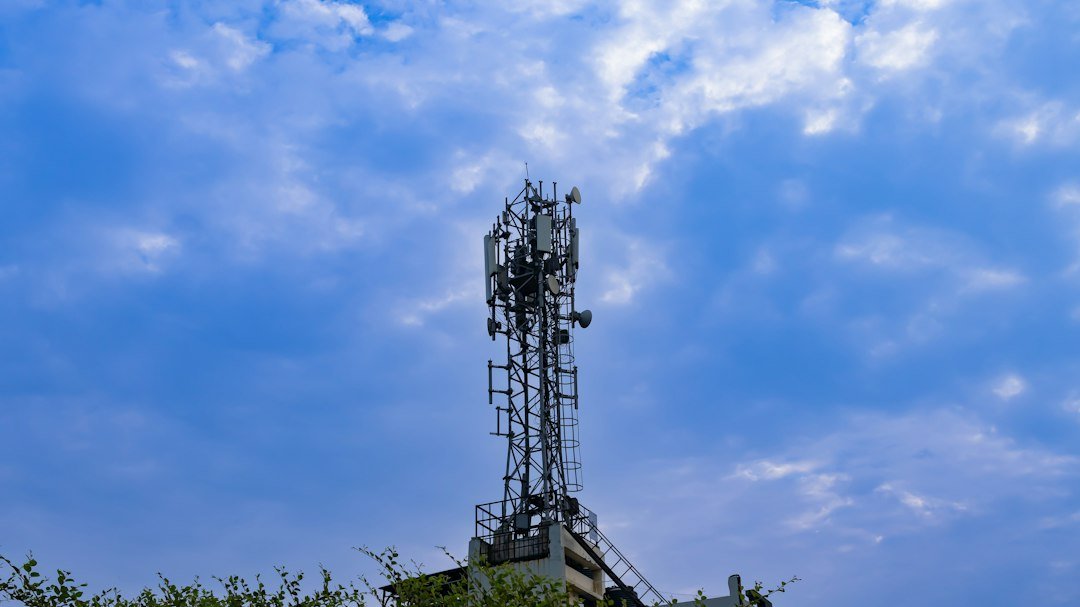
One of the notable industry developments reported during IMC 2026 was Ericsson’s plan to expand production of antennas and other telecom equipment in India, with an ambition to export locally manufactured antennas to global markets, including Europe. The company said its India manufacturing operations had produced more than 15,000 antennas and 25 million components since July 2025.
The development is significant because it suggests India is increasingly being positioned not only as a large market for mobile services, but also as a production base for equipment used in advanced networks. Antennas designed for 5G standalone and AI-ready infrastructure can support operators as they upgrade networks and prepare for more data-intensive services.
From 5G Coverage to 5G Use Cases
As networks mature, the next question is what businesses and consumers can do with them. Faster and more responsive connectivity can support connected factories, remote monitoring, smart logistics, immersive event experiences and new forms of transport management. These applications depend not just on headline speed, but also on reliable coverage, low latency, secure systems and devices that work well on the network.
For consumers, the value of 5G is often experienced through smoother video, faster downloads and better performance in crowded locations. For businesses, the opportunity can be more transformative when connectivity is combined with automation, sensors and analytics. However, adoption will depend on cost, practical use cases and whether the benefits justify investment.
What This Means for India’s Mobile Sector
India’s mobile ecosystem spans handset brands, telecom operators, component suppliers, software developers and infrastructure manufacturers. Initiatives discussed at IMC 2026 show how these areas increasingly overlap. A stronger domestic supply chain could create skilled jobs, build export opportunities and make India more influential in the global telecom equipment market.
Still, targets and announcements are not the same as completed outcomes. The pace of deployment, manufacturing scale-up, exports and commercial adoption will determine how quickly these ambitions translate into benefits for consumers and businesses.
The Road Ahead
India Mobile Congress 2026 reflected a wider shift: the mobile industry is moving beyond handsets and connectivity plans toward an ecosystem that includes AI, industrial applications and locally manufactured network technology. India’s ambition to scale 5G while increasing its role in telecom manufacturing will be worth watching over the coming months.
For more technology and business updates, visit MahaKhoj.
